ByJohn A
When a Storm Hits: Why a Working Sump Pump Is Essential for Protecting Your Home
Severe storms can bring intense rainfall that quickly overwhelms the ground around a home. When water begins to collect near the foundation, homeowners often depend on basement protection systems and may even require immediate sump pump system repairs if problems arise. A reliable sump pump plays a crucial role in preventing flooding and protecting valuable living space.
What a Sump Pump Does
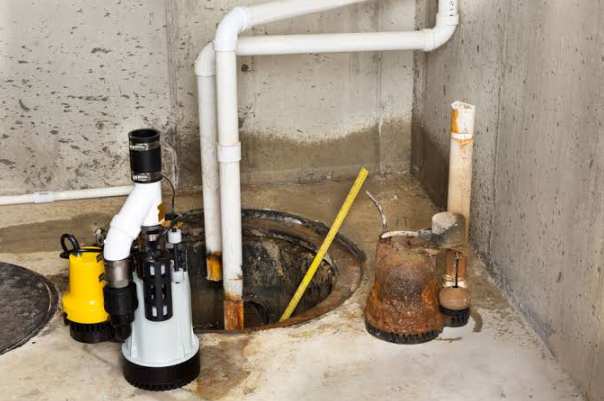
A sump pump is designed to remove water that gathers in a sump basin located in the basement or crawl space. As groundwater rises or rainwater collects, the pump activates and moves the water away from the home. This process helps keep basements dry during heavy storms.
The sump basin collects water before it can spread across the basement floor. Sensors inside the pump detect when the water level reaches a certain height. Once activated, the pump pushes water through a discharge pipe away from the house.
This simple system provides powerful protection against water damage. Without it, rising groundwater could quickly flood the home’s lowest level. That is why sump pumps are especially important in areas prone to heavy rainfall.
Why Storms Increase Flood Risk
During major storms, the ground surrounding a home absorbs large amounts of rainwater. Once the soil becomes saturated, it can no longer hold additional moisture. Excess water begins moving toward lower areas, such as basements.
Hydrostatic pressure develops as water pushes against the foundation walls. This pressure can force water through small cracks or joints in concrete. Over time, even well-built homes may experience seepage during intense storms.
Sump pumps help relieve this pressure by removing water before it builds up. By actively pumping water away, they reduce the strain on the foundation. This prevents moisture from entering the home.
Signs Your Sump Pump May Need Attention
Homeowners should occasionally check their sump pump to ensure it is working correctly. One common warning sign is unusual noise when the pump activates. Grinding or rattling sounds may indicate worn parts or debris inside the system.
Another sign is the pump running continuously or failing to activate at all. A constantly running pump may be struggling to remove water efficiently. A pump that does not turn on can allow water to accumulate quickly.
Water lingering in the sump basin can also indicate a problem. If the water level remains high after a storm, the pump may not be functioning properly. Addressing these issues early can prevent flooding.
The Consequences of Pump Failure
A failed sump pump during a storm can lead to rapid basement flooding. Water can spread across floors and damage walls, flooring, and stored belongings. Even a few inches of water can cause costly repairs.
Flooded basements also create conditions for mold growth. Moisture trapped in carpets, drywall, or wood can quickly lead to unpleasant odors and health concerns. Cleaning and restoration after flooding can be time-consuming.
Electrical systems and appliances located in the basement may also be affected. Furnaces, water heaters, and laundry equipment can suffer serious damage when exposed to water. Preventing flooding protects these valuable systems.
The Importance of Regular Maintenance
Routine maintenance helps ensure sump pumps remain ready for storms. Homeowners should test the pump periodically by pouring water into the sump basin. This allows them to see whether the pump activates properly.
Cleaning the pump and basin is another important step. Dirt, gravel, or debris can interfere with pump operation. Keeping the basin clear allows water to flow freely into the system.
It is also helpful to inspect the discharge pipe. The pipe should carry water away from the foundation without obstruction. Keeping the outlet clear prevents water from flowing back toward the home.
Professional Support for Sump Pump Issues
Sometimes sump pump problems require professional assistance. Technicians can inspect the entire system and identify worn or damaged components. Their experience allows them to detect issues that homeowners might overlook.
Professionals can also handle emergency sump pump repair during severe weather events. Quick repairs restore the system before water levels rise too high. This fast response helps prevent serious basement flooding.
Technicians may also recommend upgrades or backup systems. Battery powered backup pumps continue operating during power outages. This added protection can be critical during strong storms.
Final Thoughts
A working sump pump is one of the most important defenses against basement flooding during storms. Removing groundwater and relieving pressure on the foundation helps keep the home dry and protected. If warning signs appear, homeowners may need immediate sump pump system repairs to prevent flooding.