
The clothing industry is built around changing customer expectations. While appearance remains an important part of fashion, consumers also consider comfort, fabric quality, and functionality when choosing what to wear. A well-designed garment should look appealing while serving a clear purpose in everyday life.
For apparel retailers, understanding these elements can make product selection more effective. Whether developing a casualwear collection or exploring clothing inspired by outdoor activities, businesses need to consider how materials, construction, and design work together.
Why Fabric Is the Foundation of Good Apparel
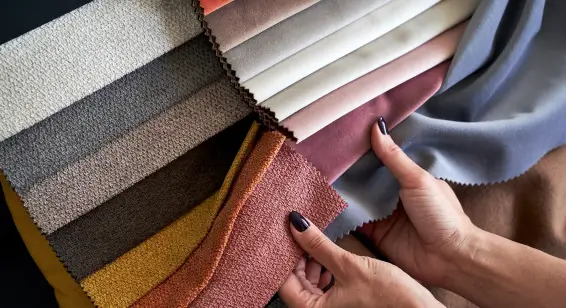
Fabric influences almost every aspect of a garment. It affects comfort, appearance, movement, and how clothing responds to regular use. Even a simple design can become more appealing when made with suitable materials.
Different fabrics serve different purposes. Cotton is commonly used in everyday clothing because of its familiar feel. Polyester is found in many casual and performance-inspired garments, while fleece is often selected for warmer layers.
When evaluating materials, apparel businesses should pay attention to:
- Texture: The surface should suit the intended garment and customer.
- Weight: Lightweight and heavyweight fabrics serve different purposes.
- Flexibility: Some garments require additional freedom of movement.
- Breathability: Material selection can influence comfort during extended wear.
- Care requirements: Customers should understand how to maintain the garment.
Selecting the right material helps businesses create clothing that matches its intended use.
The Importance of Functional Clothing Design
Functional design focuses on making garments practical without ignoring appearance. Details such as pockets, adjustable features, suitable closures, and comfortable fits can improve the everyday usefulness of clothing.
For example, trousers designed for outdoor activities may include multiple pockets, while casual shirts may prioritize simple construction and easy styling.
Functionality should always match the intended customer. Adding unnecessary features can make a garment complicated without providing meaningful value.
Retailers should therefore consider how customers will actually use a product before deciding which designs to include in their collections.
Understanding Casualwear and Its Market Appeal
Casualwear remains an important category because it fits naturally into everyday routines. T-shirts, sweatshirts, hoodies, relaxed trousers, and comfortable shorts are useful wardrobe essentials.
Many customers prefer clothing that can be worn in several settings. A basic shirt can be styled with denim, while a sweatshirt can be combined with joggers for a relaxed appearance.
Businesses exploring casual apparel options may research LAT Apparel to understand different approaches to basic garments and everyday clothing categories. Reviewing available styles, colors, and product specifications can help retailers compare options for their own collections.
The most important consideration is whether the selected products meet the expectations of the intended audience.
Outdoor-Inspired Fashion and Practical Styling
Outdoor-inspired clothing has developed into a recognizable part of the wider fashion market. Its influence can be seen in camouflage patterns, earthy colors, utility details, and practical garment silhouettes.
These elements are no longer limited to traditional outdoor settings. Customers often incorporate them into casual outfits because they offer a distinctive appearance.
The appeal of outdoor-inspired fashion comes from its combination of visual character and practical design. Cargo trousers, utility jackets, printed shirts, and comfortable layers can create outfits suitable for everyday activities.
Brands associated with this category, including realtree clothing, can provide useful context when researching camouflage-inspired apparel and outdoor fashion influences.
Retailers should understand the difference between a garment’s visual design and its technical performance. Camouflage patterns alone do not establish that a product is suitable for a particular outdoor activity.
Choosing the Right Colors and Patterns
Color selection can influence how customers respond to a clothing collection. Some prefer classic neutral shades, while others enjoy bold prints and distinctive patterns.
Black, grey, navy, beige, and white are versatile choices for everyday garments. Olive, brown, and forest green can support outdoor-inspired collections.
Camouflage patterns can introduce visual variety, but they should be used thoughtfully. Too many competing prints in one collection can make product coordination difficult.
A balanced assortment might include simple solid-colored basics alongside a smaller selection of patterned garments. This provides options for different preferences without making the collection feel inconsistent.
Creating a Collection for Multiple Activities
Apparel retailers can develop more useful collections by considering the different situations in which customers wear clothing.
A practical assortment might include:
- Everyday basics: T-shirts and simple tops for regular use.
- Comfortable layers: Sweatshirts and hoodies for cooler conditions.
- Casual bottoms: Joggers, trousers, and shorts.
- Utility-inspired garments: Products featuring practical pockets and functional details.
- Patterned apparel: Selected designs that add personality to the collection.
Each category should complement the others. Customers are more likely to find useful outfit combinations when products share suitable colors, fits, and styling characteristics.
See also: How Does Commercial Snow Removal Help Keep Business Properties Safe?
Quality Control Before Purchasing Apparel
A product’s appearance in a photograph does not always reveal its actual construction quality. Businesses should examine garment samples and product details before making larger purchasing decisions.
A useful inspection process includes checking:
- Stitching consistency and seam finishing.
- Fabric thickness and texture.
- Size measurements and fit.
- Print placement and color consistency.
- Buttons, zippers, and other attached components.
- Washing and care information.
Retailers should also confirm that product descriptions match the items supplied. Accurate specifications help avoid misunderstandings and support better customer experiences.
How Fashion Retailers Can Understand Customer Demand
Customer preferences can change with seasons, lifestyles, and fashion influences. Retailers should regularly review their product performance to understand which categories attract the most attention.
Online searches, customer reviews, social media engagement, and sales reports can provide useful information.
For instance, growing interest in utility-inspired clothing may encourage a retailer to explore cargo designs, while requests for comfortable basics may indicate an opportunity to expand simple everyday garments.
Rather than making assumptions, businesses should use available customer information to guide product planning.
Presenting Functional Apparel to Online Shoppers
Online product presentation should explain both the appearance and practical features of clothing. Clear photographs allow customers to examine garment details, while accurate descriptions provide information about materials, sizing, and construction.
For products with functional features, retailers should highlight confirmed details such as pocket placement, adjustable components, or available fabric options.
Organized categories and useful filters also make it easier for customers to discover relevant items.
A clear presentation helps shoppers compare products and understand what makes each garment suitable for their needs.
Conclusion
Modern apparel requires a thoughtful balance of fabric quality, attractive design, and practical functionality. Customers want clothing that fits their lifestyles while reflecting their personal fashion preferences.
By understanding casualwear, exploring outdoor-inspired styles, evaluating materials, and maintaining consistent quality standards, apparel businesses can create collections with greater purpose. Careful product selection and customer-focused presentation remain essential to building a successful clothing range.