ByJohn A
How Businesses Can Source Blank Hoodies for Seasonal Clothing Collections
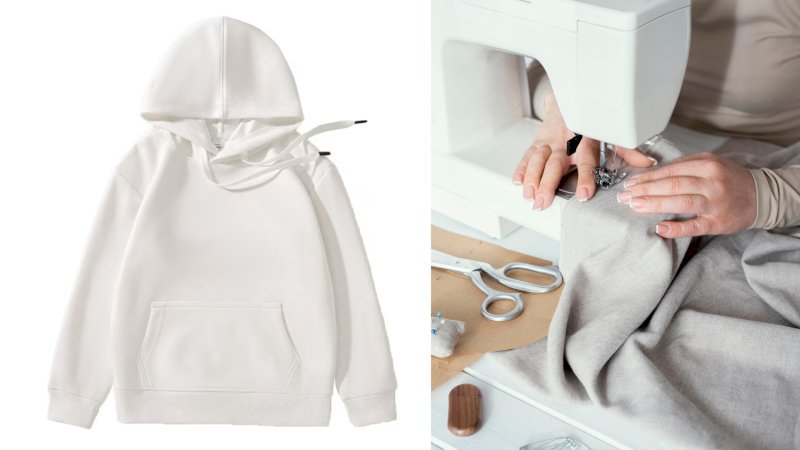
Planning a seasonal clothing rollout requires balancing creative design vision with disciplined manufacturing economics. Whether releasing an autumn streetwear drop, outfitting a corporate team for winter travel, or launching a holiday merchandise collection, brands need garments that deliver premium comfort, structural durability, and reliable retail margins. Sourcing garments piecemeal through consumer retail channels quickly erodes profitability and leads to inconsistent sizing and mismatched colors across production batches.
Securing blank hoodies wholesale through authorized commercial distribution networks gives emerging clothing brands and established businesses the scale, consistency, and volume pricing needed to build successful seasonal lines. Sourcing blanks in volume allows companies to focus their resources on unique artwork, custom relabeling, and digital marketing.
Navigating Seasonal Fabric Trends and Silhouette Demands
Consumer expectations for outerwear shift dramatically as weather cools. During transitional autumn months and brisk winter mornings, customers look for sweatshirts that provide genuine thermal warmth, a flattering drape, and cozy interior brushing without feeling stiff or bulky.
Selecting blank hoodies for clothing brands requires choosing fabric weights that match seasonal climate demands. Midweight fleece (8.0 to 8.5 oz) serves as an adaptable choice for early fall drops and indoor layering, while heavyweight fleece (9.5 to 12.0 oz) delivers the structured, boxy drape and cold-weather insulation expected in premium winter street fashion.
Inspecting the yarn construction is just as critical. Blanks made with 100% combed ring-spun cotton faces provide a smooth, flat surface that allows screen printing, embroidery, and heat transfers to cure cleanly without loose fleece fibers poking through the design.
Warming Up Collections with Earthy Tones
While neutral blacks, whites, and greys drive steady year-round volume, introducing rich, warm hues gives seasonal collections an intentional, on-trend aesthetic. Incorporating rich brown hoodies—ranging from deep espresso and chocolate to warm camel and desert sand—creates a cozy, vintage-inspired palette that performs exceptionally well in hoodies for autumn collections.
Earthy brown tones pair naturally with faded blue denim, olive utility pants, and neutral outerwear, offering an approachable, stylish alternative to stark black.
Adding warm earthy shades alongside core basics allows brands to launch cohesive seasonal capsules that look elevated and intentional in digital lookbooks and retail spaces.
See also: How SEO Analytics Help Window Treatment Companies Make Smarter Growth Decisions
Managing Inventory Across Seasonal Deadlines
Seasonal apparel drops operate on strict retail calendars. Launching an autumn collection late in November or delivering winter outerwear after the holidays dampens customer interest and leads to heavy discounting to clear stock.
Engaging in disciplined bulk clothing sourcing well ahead of seasonal weather shifts ensures that inventory arrives on schedule, inspected, and ready for decoration before peak shopping periods begin.
Securing blanks early through established wholesale channels also protects your business from seasonal warehouse stockouts when industry demand peaks in late autumn.
Sizing Curves and Inventory Planning for Wholesale Seasonal Apparel
A frequent mistake in seasonal apparel planning is guessing size splits or dividing orders equally across Small, Medium, Large, and Extra Large. Real-world fashion consumers do not follow flat demographic distributions, and ordering equal quantities guarantees shortages in core middle sizes while leaving outer sizes sitting on storage shelves.
Structuring your wholesale seasonal apparel purchases around proven adult demographic sizing curves prevents budget waste and ensures smooth fulfillment across ecommerce releases and retail stockists.
Calculating Standard Sizing Ratios
In general lifestyle and retail streetwear environments, demand concentrates heavily around Medium, Large, and Extra Large.
A reliable adult distribution curve for mixed lifestyle drops allocates:
- Small: 10%
- Medium: 25%
- Large: 35%
- XL: 20%
- 2XL: 10%
Adjusting these ratios based on historical customer demographics prevents dead stock from piling up in storage rooms while ensuring popular sizes remain available throughout active campaigns.
Establishing Protective Buffer Reserves
Always factor in a five to eight percent blank reserve across core sizes when ordering stock for custom runs. Misprints happen during initial press setup, ink adjustments can spot an edge garment, and customers frequently request size exchanges after delivery.
Keeping a small buffer of clean, unprinted blanks protects brand managers from placing emergency short-run reorders that carry high machine setup fees and express freight surcharges.
Unused blank inventory remains an adaptable, highly liquid asset that can easily be rolled into upcoming drops, staff uniform runs, or promotional sample packages for custom hoodie collections.
Supply Chain Operations and Sourcing Discipline
Running an efficient apparel business depends on steady blank availability and transparent shipping tracking. Running out of critical mid-sizes halfway through a marketing campaign stalls order fulfillment, frustrates shoppers, and hurts brand reputation.
Establishing strong relationships with verified commercial suppliers protects expanding labels from unexpected inventory gaps during peak seasonal shopping windows.
Reliable Sourcing with Simplstc Apparel
Commercial printing businesses and independent apparel brands need supply partners who provide transparent warehouse stock counts and prompt freight dispatch. When suppliers face unexpected backorders, print runs stall and customer distribution dates are missed.
Partnering with dependable distributors like Simplstc Apparel gives brand managers and decorators reliable access to premium blanks with matching dye lots and consistent sizing across cases. Sourcing blank inventory through dedicated commercial channels via simplstcapparel.com allows teams to plan merchandise programs around verified warehouse data and predictable shipping schedules.
Maintaining a dependable supply pipeline gives your creative crew the confidence to launch expressive seasonal drops without worrying about inventory gaps or broken size curves.
Pre-Production Inspection Protocols
Establishing an intake inspection routine when delivery cartons arrive protects your business from costly decorating errors. Once a blank garment runs under an automatic press squeegee or embroidery frame, blank apparel distributors cannot accept it for return or refund.
Open cartons upon arrival and verify piece counts and size spreads against your original purchase order before staging items for the press. Pull random samples from each carton to inspect collar ribbing, sleeve hems, and shoulder seams for loose stitching or knitting flaws.
Taking the time to verify blank quality before printing starts ensures smooth production runs and protects your total apparel investment.
Adding Retail Polish to Seasonal Merchandise
Transforming blank fleece into authentic private-label merchandise requires attention to secondary finishing details. Modern fashion consumers look for personalized touches that elevate basic apparel into premium boutique pieces.
Removing tearaway manufacturer labels and screen printing customized interior neck tags with care instructions and brand emblems instantly elevates basic apparel into authentic merchandise.
Stitching woven damask tags onto the hood rim, kangaroo pocket edge, or wrist cuff adds an upscale, tactile element that reinforces brand craftsmanship.
Folding, poly-bagging, and applying exterior size stickers protects printed graphics during storage and delivers a clean, professional unboxing experience for end customers.
Building Lasting Value Through Seasonal Apparel Sourcing
Sourcing blank hoodies wholesale for seasonal clothing collections provides the purchasing power, garment consistency, and creative flexibility needed to build a successful apparel brand. Sourcing blanks in volume lowers per-unit production expenses, allowing companies to invest in quality decoration and deliver garments that customers wear with genuine enthusiasm.
Pairing durable blanks with professional decoration methods creates finished merchandise that holds its shape, color, and graphic detail through years of regular wear.
A structured procurement plan turns seasonal apparel drops into an enduring asset for brand awareness, community unity, and long-term customer loyalty across every environment.