
A supervisor in a Monterrey warehouse needs to reach a forklift operator three aisles away. A security lead at a Cancún resort has to coordinate guards across a dozen buildings. In both cases a phone call is a clumsy answer. Someone has to dial, someone has to pick up, and the signal may give out once you’re deep inside a concrete structure.
Portable two-way radios were built for exactly this kind of work. They remain a staple of Mexican business despite the dominance of smartphones, and for good reason. This guide covers how they work, what separates one model from another, and how to match a radio to the way your team really operates.
Why Radios Still Beat Phones for Team Communication
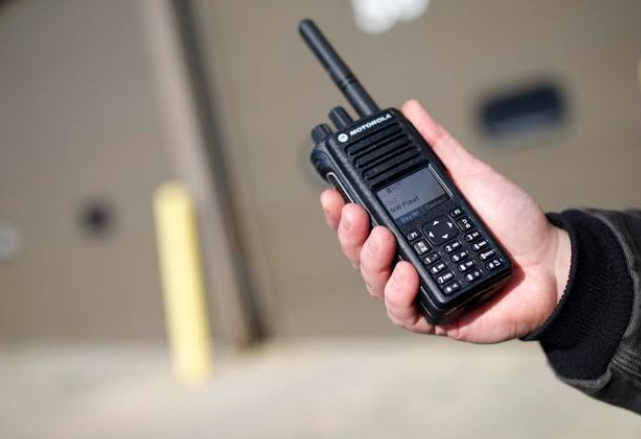
Phones are good at many things, but they depend on cellular networks, data plans, and apps that drain the battery. A professional handheld radio works on a simpler principle: press a button, speak, and everyone on the channel hears you at once.
Several things explain why radios hold their place. There is no dialing and no waiting for an answer. Radios can talk directly to each other or through a repeater, so they keep working in mines, plants, ranches, and mountain roads where mobile coverage is patchy. Professional models are made to survive drops, dust, and rain, and many carry formal durability ratings. And because basic radio-to-radio communication carries no per-minute charges, the ongoing cost after purchase (and any required authorization) is mostly batteries and accessories.
Those advantages are easy to list and harder to judge, because models vary a lot. It helps to compare several brands side by side. Specialized online stores such as RadioRed carry portable radios from Kenwood, ICOM, and Motorola, along with accessories, so you can weigh your options without being limited to one manufacturer’s lineup. Construction, hospitality, logistics, education, and security tend to feel the benefits first, mainly in faster response times and fewer misunderstandings.
Analog or Digital?
The first big decision is the type of technology behind the radio.
Analog radios
Analog is the traditional choice. These radios are simple, affordable, and easy to learn, which suits a small team working in a limited area that only needs basic voice communication. The trade-off is that audio quality fades gradually with distance, and background noise can make conversations hard to follow in loud places.
Digital radios
Digital standards such as DMR and NXDN are widely used in professional radiocommunication, and some manufacturers offer systems built on other platforms. Compared with analog, digital radios generally deliver clearer audio, because background noise is filtered and the voice stays consistent until the edge of coverage. Many models also manage battery power more efficiently. Some digital formats fit two conversations onto a single frequency, and digital units often add text messaging, GPS location, emergency alerts, and private calls.
Mixed-mode models
Plenty of organizations sit somewhere in between: older analog equipment still in service, with a plan to go digital eventually. Dual-mode radios let you make that change gradually, replacing units as the budget allows without interrupting daily work. For many teams that flexibility alone justifies the choice.
UHF or VHF: Matching the Band to Your Surroundings
Frequency bands behave differently depending on terrain and buildings, so this choice matters more than people expect.
VHF tends to travel farther across open, flat ground and over water. That makes it a common pick for farmland, rural roads, outdoor events, and wide-open work sites. UHF handles indoor and urban settings better, because its shorter wavelengths get through walls, floors, and obstacles more easily. Hotels, hospitals, shopping centers, factories, and warehouses usually do well with UHF.
If your operation mixes open areas with indoor spaces, talk to a specialist before deciding. A mismatch between band and environment is one of the most common reasons people end up disappointed with their radios, and it is entirely avoidable.
What to Look for When Comparing Models
Once you’ve settled on technology and band, these are the details that make the biggest difference in daily use.
Power and real-world range. Handhelds typically put out somewhere between 1 and 5 watts. More power can extend range but also drains the battery faster. Advertised range figures describe ideal conditions, and in practice buildings, vegetation, hills, and weather all cut into coverage. On a large or complicated site, a repeater will do more for you than extra wattage.
Battery life. A radio should last a full shift, which usually means eight to twelve hours. Teams working long days should budget for spare batteries. Single-unit chargers suit small groups, while multi-unit charging stations keep a larger fleet organized and ready.
Durability. Check the dust and water resistance ratings, and look for compliance with recognized durability standards where relevant. A radio carried on a construction site faces a very different life from one used at a hotel front desk.
Audio and comfort. Loud environments call for a strong speaker and effective noise cancellation. Weight and size matter too, since a radio worn for ten hours should be comfortable, with buttons you can press while wearing gloves.
Channels and privacy. Some radios offer only a handful of channels, others hundreds. Digital models often include privacy features that make eavesdropping harder, which matters for security teams, event organizers, and any business handling sensitive operations.
Fitting the Radio to the Industry
Different workplaces ask different things of a radio. A few common cases:
- Manufacturing and warehousing. Noisy floors and large buildings call for rugged UHF radios with powerful audio. Headsets and push-to-talk microphones keep workers’ hands free.
- Hospitality and tourism. Hotels, resorts, and restaurants need lightweight radios and discreet earpieces so staff can coordinate without disturbing guests. Mexico’s large tourist properties, with many departments working at once, benefit especially from clear contact between housekeeping, maintenance, security, and reception.
- Security. Guards need dependable coverage and emergency alert buttons, and in some cases location tracking. Digital radios with GPS and lone-worker features add a useful layer of safety on patrol.
- Construction and mining. Dust, vibration, rain, and remote locations are routine. Heavy-duty handhelds with high protection ratings and extended batteries fit best. Where flammable gases or dust are present, intrinsically safe radios are essential, since they are engineered so they cannot ignite a hazardous atmosphere.
- Education and events. Schools, universities, concert crews, and sports organizers use radios to coordinate staff across large venues. Simple models with a few well-planned channels usually work best.
Accessories Deserve a Place in the Budget
Teams often treat accessories as an afterthought and then discover the gap on the first busy day. The ones that tend to matter most are:
- headsets and earpieces for discreet or hands-free use
- remote speaker microphones that clip to a collar or shoulder while the radio stays on the belt
- spare batteries and multi-unit chargers
- belt clips, holsters, and cases
- antennas matched to your frequency band and coverage needs
- vehicle chargers for crews moving between sites
Stick with accessories that are fully compatible with your radio model. It avoids connection problems and protects what you’ve already spent.
When Handhelds Need Help: Repeaters
If your site is large, spread over several buildings, or set in difficult terrain, handheld radios alone may not give you enough coverage. A repeater picks up a signal and rebroadcasts it at higher power from a better location, such as a rooftop or tower. That can stretch the working range of portable radios across a whole campus, plant, or even a small city.
Planning one involves choosing frequencies, deciding where to put antennas, and possibly dealing with licensing. It’s worth consulting an experienced provider before you install anything.
Regulations in Mexico
Radio communication in Mexico is regulated, and using certain frequencies requires authorization from the competent telecommunications authorities. Rules and procedures change from time to time, so confirm the current requirements with the authority itself or with a qualified supplier before you buy and operate a professional system. Transmitting on unauthorized frequencies can lead to penalties and may cause interference for other users.
A Short Checklist Before You Buy
- Define your environment. Indoors, outdoors, or both? Flat or hilly? One building or several sites?
- Count your users. The number of radios affects both budget and channel planning.
- Pick analog, digital, or dual-mode. Think about where your operation will be in three to five years, not just today.
- Match durability to reality. Choose protection ratings that fit the conditions your team actually works in.
- Plan accessories from the start. Headsets, batteries, and chargers belong in the original budget.
- Ask about support and warranty. Good after-sales service is part of the product.
- Check the regulations. Make sure your frequencies and equipment are properly authorized.
Where Professional Radio Is Heading
Professional radio keeps evolving. Newer handhelds increasingly offer Bluetooth for wireless headsets, built-in GPS for tracking personnel, Wi-Fi for remote programming and updates, and better noise suppression for clear audio in loud places. Some systems also link traditional radio with broadband push-to-talk services, so teams can stay in contact over much wider areas.
Even so, the core appeal hasn’t changed. A portable radio gets the right message to the right people immediately, without depending on anything else.
The Bottom Line
The best portable radio is rarely the most powerful or the most expensive one. It is the one that fits how your team works, where they work, and what would go wrong if communication failed. Weigh the technology, the frequency band, durability, accessories, and support, and you can put together a system that serves your business for years.
Take your time comparing options, ask plenty of questions, and leave room to grow. A well-chosen radio fleet is a modest investment that pays back daily in quicker decisions, safer operations, and smoother teamwork.