ByJohn A
Why TyrSport Shoes Are Worth Considering for Your Next Workout
Choosing the right workout shoes can make a noticeable difference in how comfortable and confident you feel during exercise. Whether you spend your time lifting weights, completing circuit workouts, running on a treadmill, or combining several training activities, your footwear should match the movements you perform most often.
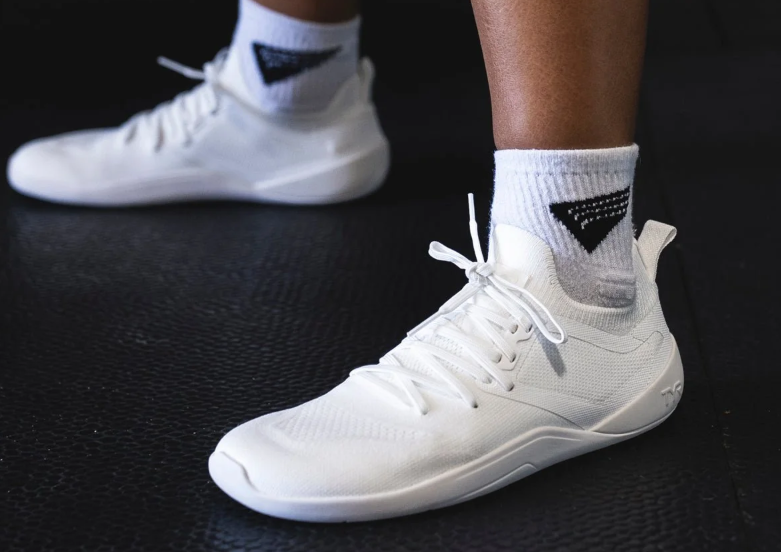
TyrSport shoes are worth exploring for fitness enthusiasts who want performance-oriented footwear designed around different athletic activities. The brand commonly known as TYR offers specialised options for cross-training, weightlifting, and running, giving athletes different designs to consider depending on their training goals.
However, choosing workout shoes should involve more than brand recognition or appearance. Fit, stability, cushioning, traction, durability, and price all deserve attention before making a purchase.
The main reason to consider TyrSport shoes is the opportunity to choose footwear designed for a specific training purpose rather than relying on one generic pair for every activity. Understanding the differences between the available models can help you decide whether they are a suitable investment for your fitness routine.
What Makes TyrSport Shoes Worth Considering?
Workout footwear should support the demands of your exercise routine without creating unnecessary discomfort or restricting natural movement. Different training activities place different demands on your feet, which is why shoe design matters.
Footwear Designed for Different Training Goals
One advantage of the TYR footwear range is its variety of specialised designs. The official collection includes cross-training models, weightlifting shoes, and running footwear, each intended for different types of movement.
For example, cross-training shoes are generally designed to accommodate a mixture of gym exercises, while weightlifting shoes prioritise stability during loaded movements. Running shoes typically focus more on cushioning, forward motion, and the demands of repeated running strides.
This variety can help you narrow your choices according to your actual workout schedule.
Instead of purchasing shoes because they look athletic, consider which movements you perform most frequently. A person who spends most sessions lifting weights will have different requirements from someone training for a 10-kilometre run.
A Balance Between Function and Appearance
Workout shoes are also part of everyday fitness clothing. Many athletes prefer footwear that looks appropriate in the gym while remaining comfortable for travelling to and from training sessions.
TYR offers multiple colours and designs across its footwear collections. This gives buyers options when comparing aesthetics, although appearance should remain secondary to fit and functional suitability.
A visually appealing shoe is only a good purchase when its construction and comfort meet your needs.
How Different TyrSport Shoe Features Can Support Your Workout
The benefits of athletic footwear depend on how its features interact with the movements you perform. Understanding these features can help you evaluate a shoe more objectively.
Stability for Strength Training
Strength exercises such as squats, deadlifts, and standing presses require a secure connection between your feet and the floor.
A relatively firm platform can help reduce unwanted compression under load, while a secure heel and suitable outsole can support a consistent lifting position. Dedicated weightlifting shoes may also use an elevated heel to accommodate particular lifting mechanics.
TYR’s L-2 Lifter, for example, is positioned as a specialised weightlifting model. It should be evaluated differently from a flexible running shoe because its intended purpose is stability during lifting rather than cushioning for repeated running impacts.
However, no shoe automatically improves lifting technique or guarantees better performance. Proper exercise instruction, appropriate loading, mobility, and individual comfort remain important.
Flexibility for Dynamic Gym Sessions
Workouts involving lunges, bodyweight exercises, short sprints, lateral movements, and conditioning circuits require footwear that accommodates changes in direction.
A cross-training shoe may provide a useful middle ground between the firmer construction of a lifting shoe and the more running-oriented design of a cushioned trainer.
TYR’s CXT-3 is one example of a model marketed for cross-training. Its listed specifications include a breathable mesh upper, a rubber outsole, and a 9 mm heel-to-toe drop in the men’s US size 9 reference specification.
These features provide practical comparison points, but the shoe should still be tested for comfort, grip, and stability during the particular movements included in your workout.
Cushioning and Comfort for Repeated Movement
Cushioning can influence how footwear feels during walking, running, and other repetitive activities. The right amount depends on the exercise, personal preference, body mechanics, and the surface on which you train.
Running-focused footwear often places greater emphasis on cushioning and the transition from one stride to the next. A shoe designed primarily for lifting may feel too firm or restrictive for someone who regularly runs several kilometres.
When evaluating cushioning, pay attention to whether the shoe feels comfortable throughout the intended session rather than judging it only by how soft it feels when first tried on.
Grip and Outsole Construction
The outsole is another important consideration because traction affects how securely your feet interact with the training surface.
A suitable outsole can help provide grip during controlled movements, while the overall sole construction influences flexibility and stability.
TYR lists its TYRTAC rubber outsole on selected training models. Nevertheless, grip can vary with floor material, moisture, wear, and the type of movement being performed.
Test the shoes on an appropriate, dry surface before using them for demanding exercises. Do not assume that a gym training shoe is suitable for wet outdoor surfaces or every sporting activity.
Which TyrSport Shoes Should You Consider for Your Workout?
The best choice depends on your main training activity, not simply on which model is newest or most expensive.
For Weightlifting and Strength Training
If your routine revolves around squats, Olympic lifting, or other strength exercises, a dedicated lifting shoe may be worth considering.
The TYR L-2 Lifter is designed for this category. When evaluating it, pay particular attention to heel height, platform firmness, foot lockdown, and toe-box space.
An elevated heel may suit certain lifting techniques but may not feel natural for every athlete or every exercise. Consider whether the shoe complements your movement patterns and whether you already have the ankle mobility needed for your preferred lifting style.
For CrossFit and Mixed Gym Workouts
People who alternate between strength exercises, conditioning, and varied gym movements may benefit from a versatile cross-training shoe.
The TYR CXT-3 is one option to compare. Its cross-training classification makes it relevant to mixed workout routines, although the demands of your specific programme should determine whether it is appropriate.
If your sessions include rope climbs, frequent lateral movements, and short running intervals, test how the outsole, upper, and overall fit perform during those activities. A model that works well for lifting and general conditioning may not be ideal for every specialised exercise.
For Running and Cardio Sessions
If running is your primary activity, explore TYR’s running-specific footwear rather than assuming a cross-trainer will meet all your needs.
Consider cushioning, heel-to-toe transition, overall weight, fit, and comfort over longer distances. Your preferred running pace, training surface, and weekly mileage should influence the decision.
A running shoe should feel comfortable during the type of run you intend to complete. If you train for longer distances, a brief fitting session is not a substitute for gradually testing the footwear during training.
TyrSport Shoes Compared With General Gym Shoes
A specialised athletic shoe may offer advantages over a generic gym shoe, but it is not automatically the better choice for every person.
| Feature | Specialised training footwear | General-purpose gym shoes |
| Main purpose | Designed around a particular activity or training category | Intended for broader, everyday use |
| Stability | Depends on the model and intended exercise | Varies considerably between models |
| Cushioning | Tailored to the footwear category | May prioritise general comfort |
| Exercise versatility | Can be limited by specialisation | May suit casual or varied workouts |
| Price | Depends on features, model, and market | Available across a wide range of budgets |
A dedicated lifting shoe may make sense for someone who trains seriously with weights several times per week. Someone who performs light resistance training and walks occasionally may be better served by a comfortable, versatile shoe.
The key is to match the footwear to the demands of your routine instead of paying for features you are unlikely to use.
Are TyrSport Shoes Comfortable and Durable Enough for Regular Use?
Comfort and durability are two of the most important factors when evaluating the long-term value of workout footwear.
Finding the Right Fit
A shoe can have impressive specifications and still be unsuitable if it does not fit your feet properly.
Check that your toes have adequate space, your heel feels secure, and the upper does not create uncomfortable pressure. Try the shoes with the socks you normally wear during exercise, and test them while standing, walking, and performing controlled movements.
TYR offers different models with different fit characteristics. For example, its published CXT-3 specifications describe a standard toe box, while selected other models offer different toe-box designs.
Do not assume every model will fit identically. Consult the size guidance for the exact shoe and review the retailer’s exchange policy before purchasing.
Evaluating Construction and Expected Lifespan
Durability depends on materials, construction, training frequency, exercise type, body weight, and maintenance.
Inspect the stitching, upper material, outsole attachment, and areas exposed to friction. If you regularly perform rope climbs or outdoor conditioning, check whether the specific model is designed for those demands.
No footwear model lasts indefinitely. Replace shoes when their structure, traction, fit, or cushioning has deteriorated enough to affect comfort or suitability.
Understanding Customer Feedback
Customer reviews can help reveal practical fit and comfort considerations that product specifications do not fully explain.
Look for recurring patterns across multiple reviews rather than relying on one unusually positive or negative experience. Pay attention to comments about sizing, heel security, toe-box width, durability, and how the shoes perform during the same activities you plan to do.
Remember that individual experiences vary. A shoe that fits one person perfectly may not suit another person’s foot shape or training needs.
What Should You Consider Before Buying TyrSport Shoes?
Before placing an order, evaluate the complete purchase rather than focusing solely on the advertised features.
Compare the Price With Your Actual Needs
Specialised footwear can cost more than general gym shoes. Determine whether the additional features are useful for your training before paying a premium.
For example, a dedicated lifting shoe may be a worthwhile purchase for a committed weightlifter, while a beginner attending occasional fitness classes may prefer a more affordable cross-trainer.
Compare the total cost, including shipping, taxes, potential import charges, and return expenses where applicable. Prices and availability can vary by country and retailer. When comparing options from TYR US, consider the overall value, product features, and suitability for your training needs.
Check the Return and Exchange Policy
Footwear fit is difficult to judge from product photographs alone. Before purchasing, confirm whether the retailer accepts returns or exchanges, what condition the shoes must be in, and whether return shipping or handling fees apply.
This is especially important when ordering from another country or buying a model you have never tried before.
Match the Shoe to Your Training Schedule
Consider the activities that make up most of your week.
If you primarily lift weights, prioritise stability. If you regularly complete mixed gym sessions, consider cross-training versatility. If you run frequently, investigate running-specific cushioning and fit.
You may eventually decide that two specialised pairs are more suitable than one pair used for everything. However, that decision should depend on your training volume and budget rather than a belief that every athlete needs multiple shoes.
Conclusion: Are TyrSport Shoes Worth Considering?
TyrSport shoes are worth considering if you want to evaluate performance-oriented footwear according to your training goals. The brand’s range includes options for cross-training, strength training, and running, making it possible to compare different designs instead of relying on a one-size-fits-all approach.
The most important step is to identify what your workouts demand. Look at fit, stability, cushioning, traction, construction, and price, then compare the specific model with alternatives in the same category.
Avoid choosing solely on appearance, brand reputation, or claims about performance. A suitable shoe should feel comfortable, support the movements you intend to perform, and offer reasonable value for your training budget.
Ultimately, the best workout shoes are the ones that fit your feet, suit your activities, and meet your needs consistently. If a TyrSport model satisfies those criteria better than the alternatives available to you, it may be a worthwhile addition to your fitness equipment.